
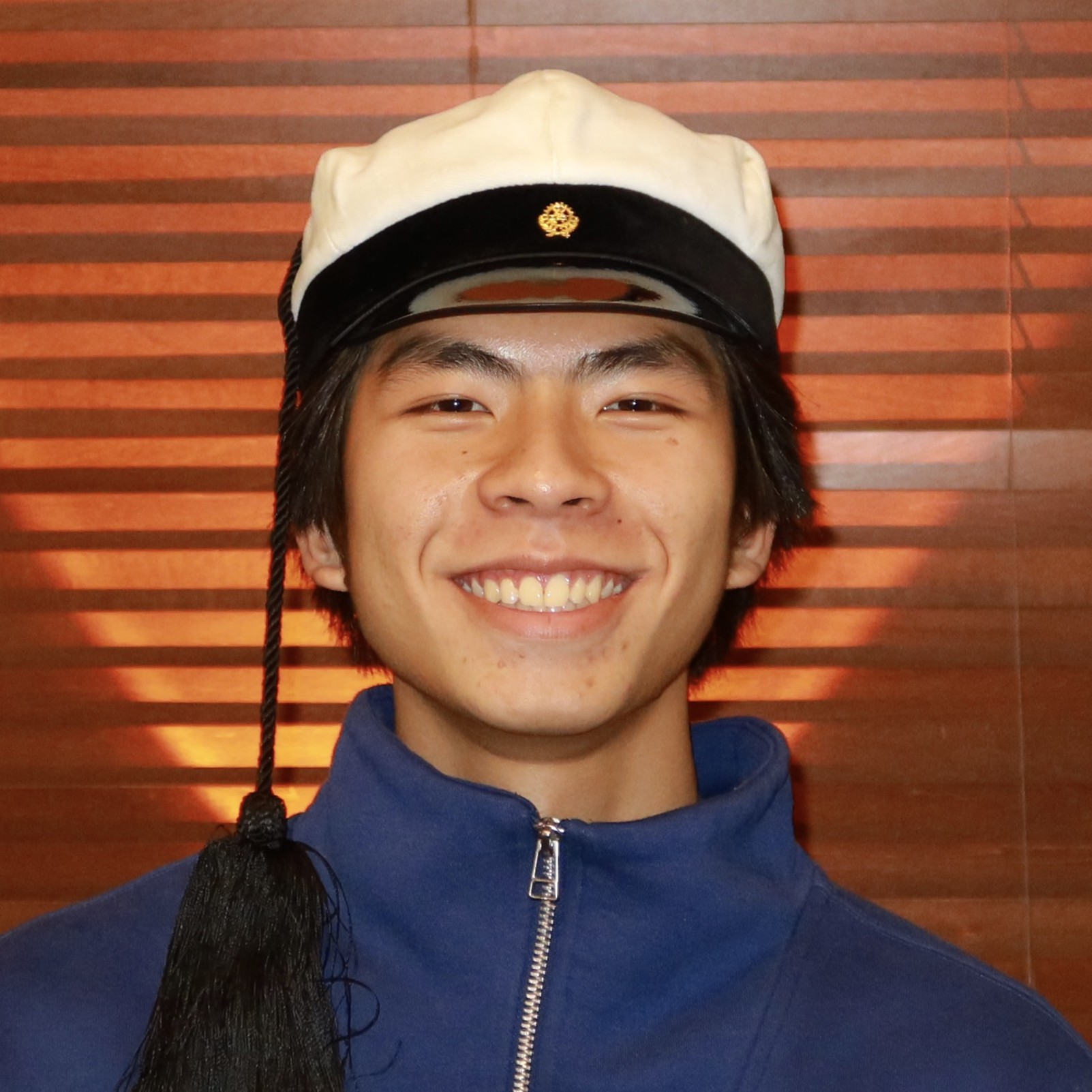
Hy Lam Quach
Hi!
I’m Lam, a second-year Chemical Engineering student from Vietnam. Before coming here, university life, in my head, was supposed to be a mountain of books and hours upon hours of studying. I still vividly remember when I learned about Orientation Week the night before it started. That week ignited something in me that I didn’t know I had; it would eventually lead to me being completely immersed in student life and becoming an ISO myself.
PT to me has been like a family. It is where I met my best friends, my awesome ISOs, fuksi captains, and seniors. PT’s events kept me motivated to get through a busy week, so I could be there for them at the end. It has treated me so well and accepted who I am; that is why I am applying to the International and Master’s Captain position, to ensure that students like me can get the same treatment and enjoy their time here.
A little bit about myself! I’m the type of person who has an indestructible determination and passion for positions that I apply to. I believe in living your life to the fullest, and I see the IMC job as a huge stepping stone to enrich my university years while I still can. I always try to have fun while working because laughs can make a hard and long day so much more bearable. Fun has to come hand in hand with responsibility. I take a lot of pride in the quality of my work, so I’m aware of whether what I’m putting out is good enough or not.
I’d like to think that I’m a people person. Meeting new people has never been an obstacle for me; even when the circumstance is a brand new country and zero friends or relatives in it, I’ll always try to liven up everywhere I go. One of the goals I have for this position is to just be someone people can trust and freely express their problems to. To me, it is important that the students feel at home and happy in this new environment.
-Lam
How would you ensure the equality of Finnish- and English-speaking students in the activities of our guild?
For a university with a growing number of English-speaking students each year, it is important to ensure that they are able to enjoy events at similar levels compared to Finnish speakers. Language equality is a tough nut to crack. Although we have already established structures such as English-only Telegram info channels, official announcements, and event descriptions written in both languages, the difficulties lie in what is actually happening at events. Whether it is pre-event briefings in front of Amfi, or a donkey bridge in a sitsit, it is usually Finnish that gets spoken first, and in much greater detail than the English version. Most of the time, as an English-only student myself, we get left out of jokes and context very often. People would start laughing, and my friends and I just look to each other in confusion. My goal is to mitigate that situation.
Firstly, we can balance the number of events that are mostly in Finnish and English, so that people who are discouraged from going to one can go to the other. The nature of the event should remain the same, but it gives them the option to enjoy the same experience and the same fun time. One example I can think of is the 2 Fuksisitsits, PT and Etco. Both give the same impression and the same fun time, but one is completely in English. It is crucial that we give the students from both sides a reason to go. This lies in the design and purpose of the event itself, which I will meticulously look over. We can also implement events and outings that mix both sides together to naturally melt the cultural barrier. For these types, it is essential that we heavily advertise them, either by Telegram messages, posters, or word of mouth, and also clarify expectations that people are encouraged to mix.
Secondly, and most importantly, is fostering an environment where everybody feels safe to express themselves in their own language. I want to encourage a low-threshold social culture where both Finnish and international students naturally mix from day one. One way to do that is to organize for-fun events like hangouts and language cafes, where students can talk about languages and learn something new over tea and pastries. ISOs should be encouraged to actively bridge social circles in these events, so that nobody, even Finnish people, feels isolated because of language barriers. As everybody gets more comfortable with different languages, they will naturally engage in more events.
How could international students and English-speaking bachelor students be encouraged to participate in the activities of the guild? In general, how would you encourage all members to participate in international activities?
As someone who came from abroad, I know firsthand that taking the first step to join guild activities can be intimidating. From my personal experience, I can narrow the problem down to 2 factors: do the students actually get the information, and if so, do they want to go?
About the first one, at the start of university, I think it is a universal experience that everybody has to join numerous groups on Telegram, leading to phones ringing constantly with notifications and eventually muting them all. To solve this, we should focus on the quality of those notifications rather than quantity; this means that instead of notifications about upcoming events every day, we can announce them in a longer but singular text at the end of the week. We can also encourage ISOs to highlight certain events that are concrete to their university experience, making sure that no one is missing out on good fun.
On the second problem, even when the information reaches students, the challenge now is convincing them to show up, and this comes down to the student. Most masters students are older and are understandably less interested in drinking-centric events, and they usually attend activities only if their friends also go to them. For them, alongside the usual events, we can diversify them by adding more non-alcoholic events that have group activities, so we can ensure that the whole group shows up. Alongside fun and casual outings, some more professional and networking events could help diversify the event pool. For bachelor students, they often hesitate because they simply don’t know what to expect. The secrecy is crucial to their journey as a fuksi, and we can’t scrap all of that just to ensure the number of participants. Instead, we can navigate this fine line by providing clear expectations about the vibe, possible dress codes, and atmosphere. ISOs can also contribute heavily to this as well. Fuksis trust their ISOs the most, so having ISOs hyping up events can spark curiosity in the fuksis’ minds, encouraging them to join and find out what’s all the hype about. It is not just about single events; having people who are deeply involved in student culture around often can greatly affect the people around them, pulling them further and further to join the culture themselves. To guarantee that ISOs would do this, I’d suggest a part in ISO training dedicated to reminding them how influential they can be, and telling them to hype up events on their own.
About the second part of the question, the challenge is now bridging the gap so Finnish members feel equally motivated to join international events. My approach focuses on 3 main ideas. We have to remove any misconceptions that international events are only for English speakers, clearly stating that all members of the guild are expected and welcomed. For events like sitsits, a mixed seating plan between groups of English and Finnish speakers can encourage interactions between new faces. I’ve personally met so many new Finnish friends just by sitting close to them during a sitsit. And lastly, I’ve already touched on this earlier, but leveraging ISOs to lead by example, because people go where their friends go. Whether that means talking excitedly about an event or having a public sign-up list where people can see their names, it can push someone to sign up themselves.
How would you make sure that cooperation with the three guilds’ Heads of International and Master’s Affairs works smoothly and effectively?
I personally believe that good cooperation and teamwork first come from knowing them as a person. So, to achieve that, I will meet with them regularly, sometimes talk about work, sometimes about events and other things, just so I can get to know them better and understand them as a person. It can just be casual hangouts at the guild room, lunch together, or coffee runs at Alepa, but those tiny gaps of casual interactions in between work talk can help improve the cohesion of our work by a mile. We can also go to events together, drink, and just be friends outside of our jobs. Of course, things will be awkward at the start, and our conversations would just be about planning for events and so on, but the walls will naturally melt over hours and hours of talking and interactions. I already mentioned that I believe having fun while working will substantially reduce everybody’s stress, increasing the quality of events and the audience’s enjoyment. The best way to do that is with good friendship and a mutual understanding of each other.
This personal foundation isn’t just about having fun; it’s what allows us to actually get things done effectively. We would have no problem getting through weekly meetings where we can brief on what is happening in our guilds, working on sheets and documents together. Frequent updates can help us not only avoid similar mistakes that happened, but learn from them and align our operations accordingly. We can also remind ourselves of upcoming deadlines to make sure that everything is on time and of high quality. Once you truly know your teammates, communication becomes much quicker, and feedback is easier to give and receive.
0 Comments